
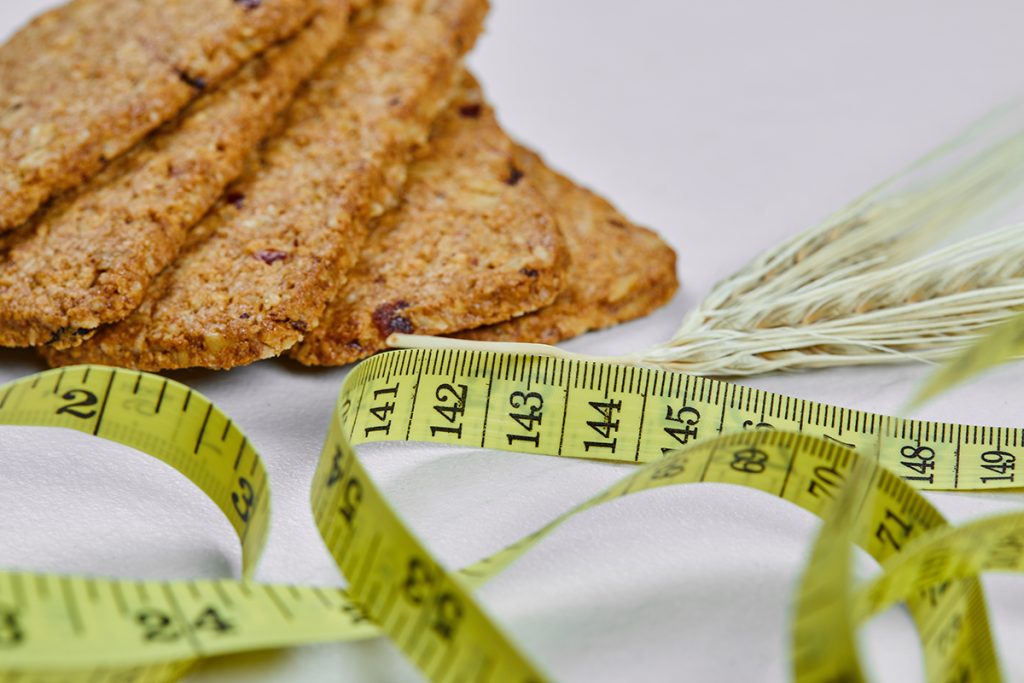
If you want to embark on the journey of unraveling the intricate weight loss diet code, you need to start with a thorough understanding of carbohydrates. Carbohydrates, or carbs as they are commonly known, constitute one of the three fundamental macronutrients essential to our daily diet. They’re ubiquitous, found in everyday staples like bread, pasta, rice, and an array of fruits and vegetables. Carbs have been shrouded in confusion and misinformation in the world of nutrition. This is especially true regarding their role in weight loss.
For too long, the debate has raged on. Are carbs the friends or foes of those seeking to shed unwanted pounds? The diet landscape is littered with conflicting advice. Everything from fad diets that vilify carbs, and contradictory studies, it all seem to leave more questions than answers. It’s time to cut through the noise and delve deep into this elusive diet code. Let’s unveil the truth about carbs and their significance in the pursuit of successful weight loss.
Together, we’ll separate fact from fiction, dissect the science behind carbohydrates. We will also equip you with the knowledge and tools you need to navigate the often perplexing world of weight loss diets. Join us as we embark on this journey to decode the secrets of effective weight management and pave the way for a healthier, happier you.
The Science of Carbohydrates and Weight Loss
Understanding how carbohydrates impact weight loss begins with delving into the science behind them. Carbohydrates, commonly referred to as carbs, are a primary source of energy for the body. When consumed, they undergo a metabolic process, breaking down into glucose, which provides fuel for your muscles and brain.
Carbs are classified into two main categories: simple carbohydrates (sugars) and complex carbohydrates (starches and fibers). Foods like sugar, honey, and syrups contain simple carbs, whereas grains, legumes, fruits, and vegetables abound in complex carbs.
The key to harnessing the power of carbs for weight loss lies in understanding their impact on blood sugar levels. Simple carbs can cause rapid spikes and crashes in blood sugar, leading to increased hunger and cravings. On the other hand, complex carbs, especially those rich in fiber, digest slowly. They stabilize blood sugar and create a lasting sense of fullness.
Moreover, not all carbs are created equal. The glycemic index (GI) measures how quickly a carbohydrate-containing food raises blood sugar levels. Foods with a high GI may lead to weight gain, while those with a low GI can support weight loss efforts.
Incorporating the right types and quantities of carbohydrates into your diet is crucial for maintaining a healthy weight. By making informed choices and balancing your carb intake, you can optimize your diet for weight loss.
Balancing Carbs for Effective Weight Management
Balancing carbohydrates is a pivotal aspect of effective weight management. The goal is not to eliminate carbs entirely but to make smart choices and create a balanced diet. Here’s how to strike that balance:
- Choose Complex Carbs: Opt for whole grains like brown rice, quinoa, and whole wheat bread, which are rich in fiber and release energy gradually, keeping you satisfied for longer.
- Mind Your Portions: Pay attention to portion sizes to avoid overconsumption of carbs. This is particularly important for calorie-dense foods like pasta and rice.
- Prioritize Fiber: Foods high in fiber, such as leafy greens, beans, and oats, not only aid digestion but also help control appetite.
- Pair with Protein: Combining carbs with lean protein sources like chicken, tofu, or beans can help stabilize blood sugar levels and keep you feeling full.
- Limit Sugary Foods and Drinks: Minimize your intake of sugary beverages and snacks, as they can lead to weight gain and energy crashes.
- Timing Matters: Consume most of your carbs earlier in the day when your body needs energy the most. Eating this way can prevent your body from storing excess carbs as fat.
Balancing carbs in your diet is a personalized journey. Experiment with different approaches to find what works best for your body and your weight management goals.
The Role of Exercise in the Diet Code
While diet plays a significant role in weight loss, exercise is a crucial companion in your journey to crack the diet code. Exercise contributes to weight management in several ways:
- Calorie Burn: Physical activity helps you burn calories, creating a calorie deficit necessary for weight loss.
- Metabolism Boost: Regular exercise can boost your metabolism, helping you burn more calories even at rest.
- Muscle Building: Resistance training and strength exercises help build lean muscle mass, which can increase your metabolism and enhance weight loss.
- Appetite Regulation: Exercise can regulate appetite hormones, reducing cravings and promoting better control over food choices.
- Stress Reduction: Physical activity is an effective stress reliever, helping to curb emotional eating and stress-related weight gain.
- Sustainability: Incorporating exercise into your routine promotes a sustainable, long-term approach to weight management.
It’s important to choose an exercise regimen that suits your preferences and lifestyle. Whether it’s cardio, strength training, yoga, or a combination of activities, regular exercise complements your dietary efforts. Any form of exercise plays a pivotal role in the weight loss diet code.
Separating Facts from Fiction
Fiction: All Carbs Are Bad for Weight Loss
One of the biggest myths surrounding carbs is that they are all bad for weight loss. The truth is that not all carbs are created equal. Carbs come in two main forms – simple and complex. Simple carbs, found in foods such as sugary drinks and processed foods, are often high in calories and can contribute to weight gain. On the other hand, complex carbs, found in foods such as whole grains and vegetables, are often rich in fiber and nutrients, and can aid in weight loss.
Fact: Carbs Are Important for Energy and Exercise Performance
Carbs are an important source of energy for our bodies, particularly for physical activity. Our bodies break down carbs into glucose when we consume them. Is is this glucose that our bodies use to fuel our muscles during exercise. If we don’t consume enough carbs, we may feel fatigued or lack the energy needed to complete a workout.
Fiction: Low-Carb Diets Are the Only Way to Lose Weight
Low-carb diets have become popular for weight loss in recent years, with many people believing that cutting carbs is the only way to lose weight. While reducing carb intake can lead to weight loss, it is not the only way to achieve this goal. In fact, studies have shown that balanced diets that include carbs can be just as effective for weight loss as low-carb diets.
Fact: Portion Control Is Key for Carb Intake
The key to incorporating carbs into a weight loss plan is portion control. Rather than completely cutting out carbs, focus on consuming them in moderation and balance them with other macronutrients. The American Diabetes Association recommends that women consume between 45-60 grams of carbs per meal, while men should aim for 60-75 grams per meal.
Fiction: Carbs Cause Insulin Resistance
Another myth surrounding carbs is that they cause insulin resistance, a condition that can lead to diabetes. However, research has shown that it is not carbs themselves that cause insulin resistance, but rather a diet high in calories and unhealthy fats.
Fact: Focus on Quality Over Quantity
When it comes to carbs, it is important to focus on quality over quantity. Choose complex carbs such as whole grains, fruits, and vegetables, and avoid simple carbs such as sugary drinks and processed foods. By focusing on the quality of your carb intake, you can fuel your body with the nutrients it needs for successful weight loss.
The Real Truth About Weight Loss
The truth about carbs is that they can be both beneficial and detrimental to weight loss. So, depending on the type and amount consumed. Rather than completely cutting out carbs, focus on consuming them in moderation and balance with other macronutrients. It would also be advisable to choose high-quality, nutrient-dense sources. By understanding the truth about carbs, you can achieve successful weight loss while still enjoying a balanced and healthy diet.
Unlocking the secrets of your body’s unique weight loss code, especially in the realm of carbohydrates, is akin to gaining access to a well-guarded treasure trove of health and vitality. It’s the key to a life where you’re in control, where you make informed choices that support your goals, and where you experience the boundless energy that comes with a body operating at its best.
The Diet Code is the Key to Effective Weight Loss
Understanding your body’s relationship with carbs isn’t just about shedding excess pounds; it’s about enhancing your overall well-being. Imagine a life where you enjoy satisfying meals without the guilt,
So, why wait? The code is yours to decipher, and the benefits are waiting to be unlocked. It’s time to embark on this empowering journey towards a healthier, more vibrant you. Your body’s weight loss code is the key to a brighter, healthier future, and it’s worth every effort to discover and master it


